A Journey of Human Development from Conception to Birth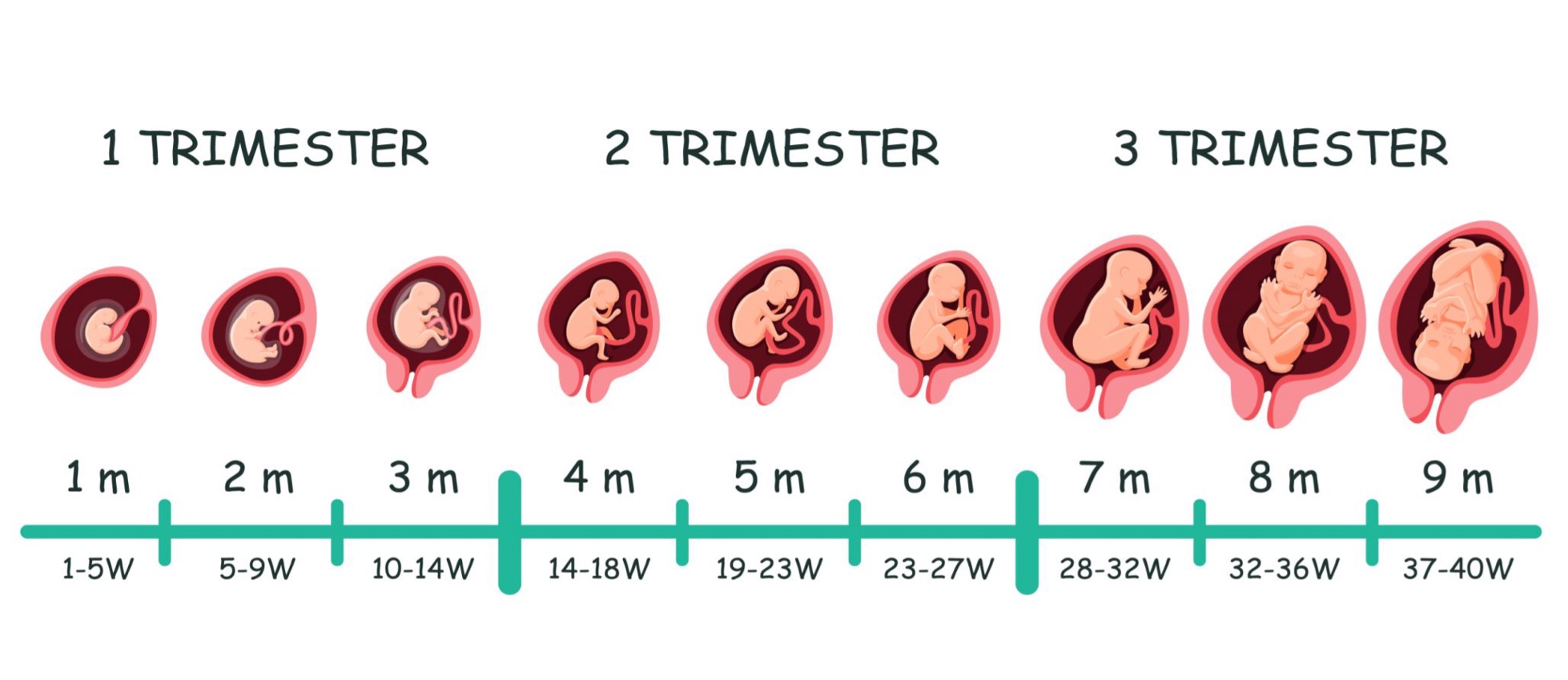
From the very earliest weeks of pregnancy, an unborn child experiences rapid and extraordinary development. Long before birth, this child has a heartbeat, movement, and the ability to respond to his or her environment.
A baby’s heartbeat can be detected as early as six weeks, often around the time of a mother’s first ultrasound appointment. Tragically, this is also the stage when many abortions occur between 8 and 12 weeks, even though by 12 weeks, all major organs are already formed.
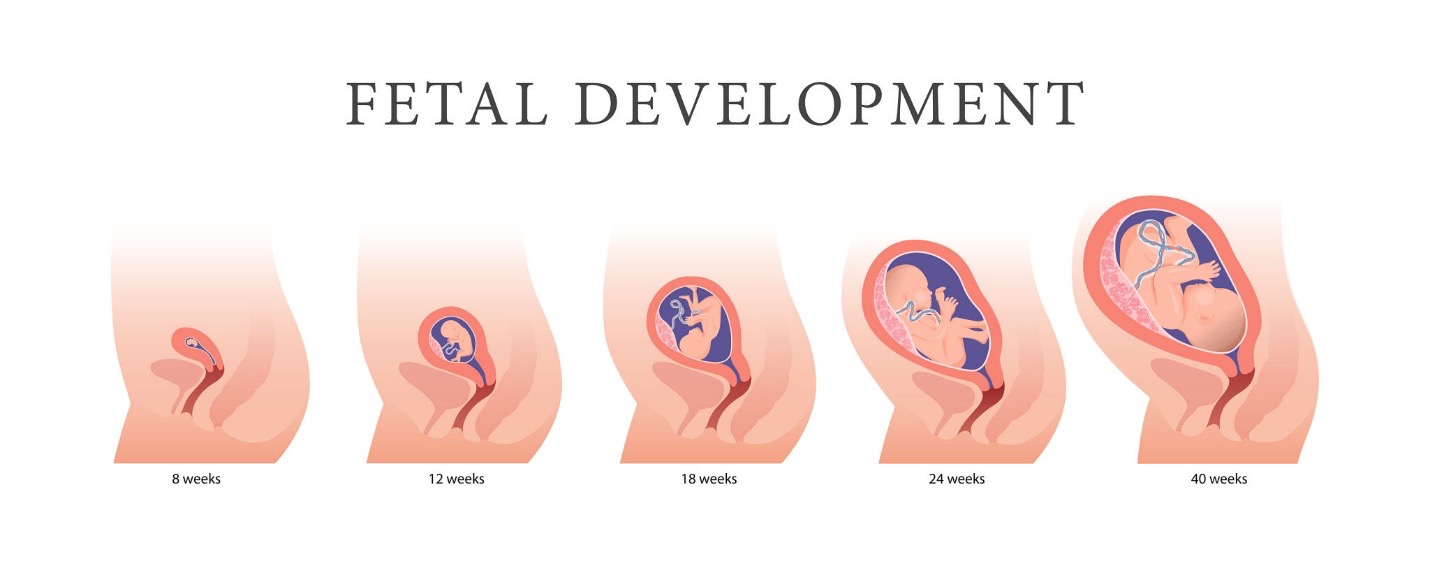
Below, we walk through the miracle of human development during the first nine months of life.
Early Development: Weeks 1–12 (First Trimester)
Six Weeks
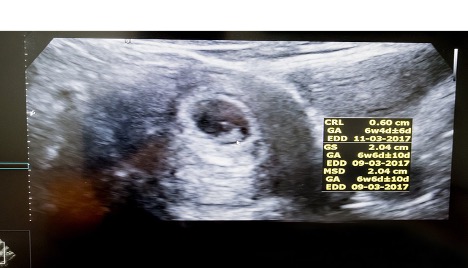
By six weeks:
- The baby’s heart is beating 100–160 times per minute
- Blood is circulating
- Fingers and toes are forming
- Muscles begin coordinated movement
- The baby can react to stimuli
Many scientists believe that unborn children may begin responding to pain at this early stage of development.
Weeks 8–11
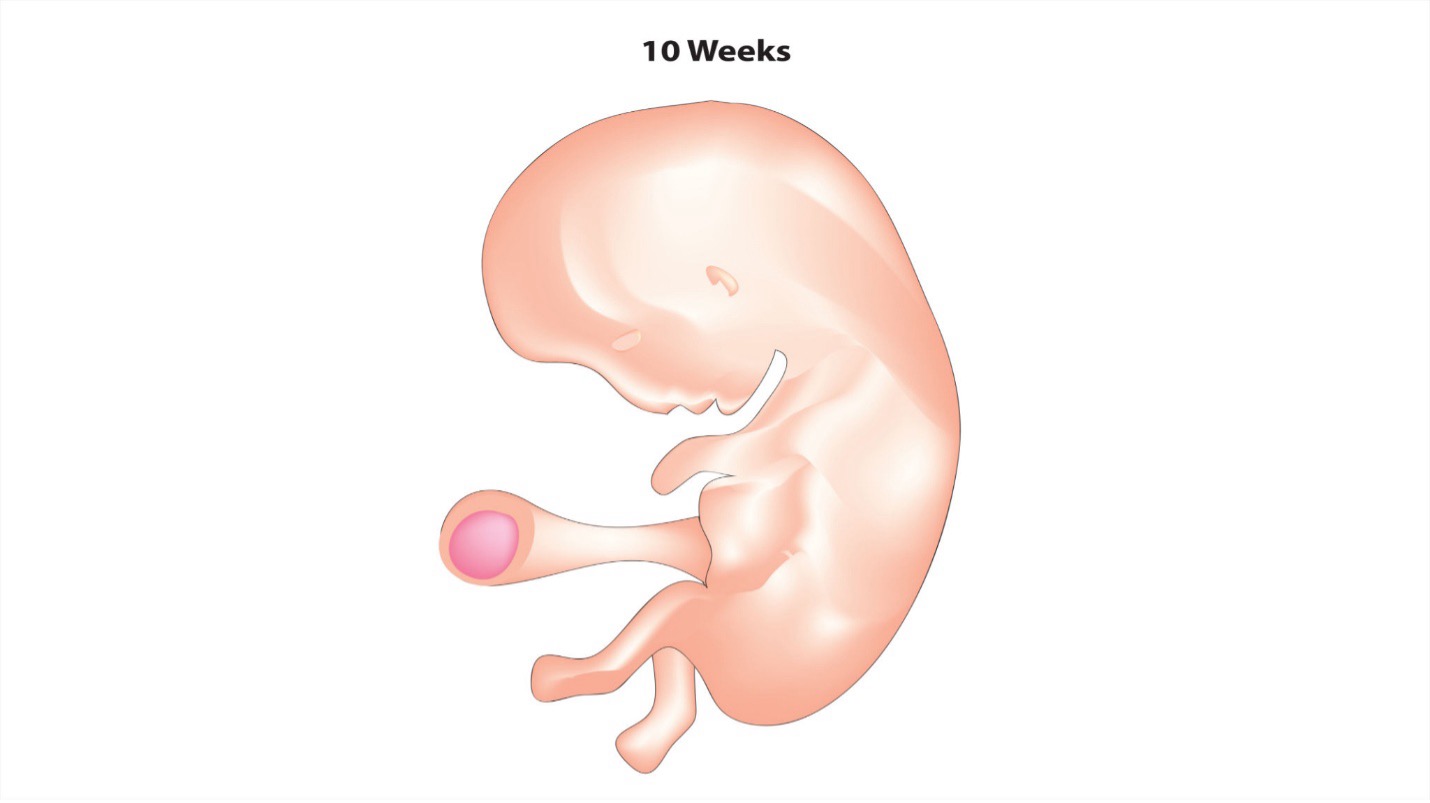
At eight weeks:
- Nearly all structures of a fully formed adult are present
- The baby is protected by the amniotic sac
- Coordinated movement increases daily
By nine weeks:
- Thumb-sucking begins
- The baby can swallow, stretch, and sense touch
- The baby yawns and doubles in size
By ten weeks:
- Fingerprints and fingernails begin forming
- Nerve-to-muscle connections increase dramatically
Twelve Weeks
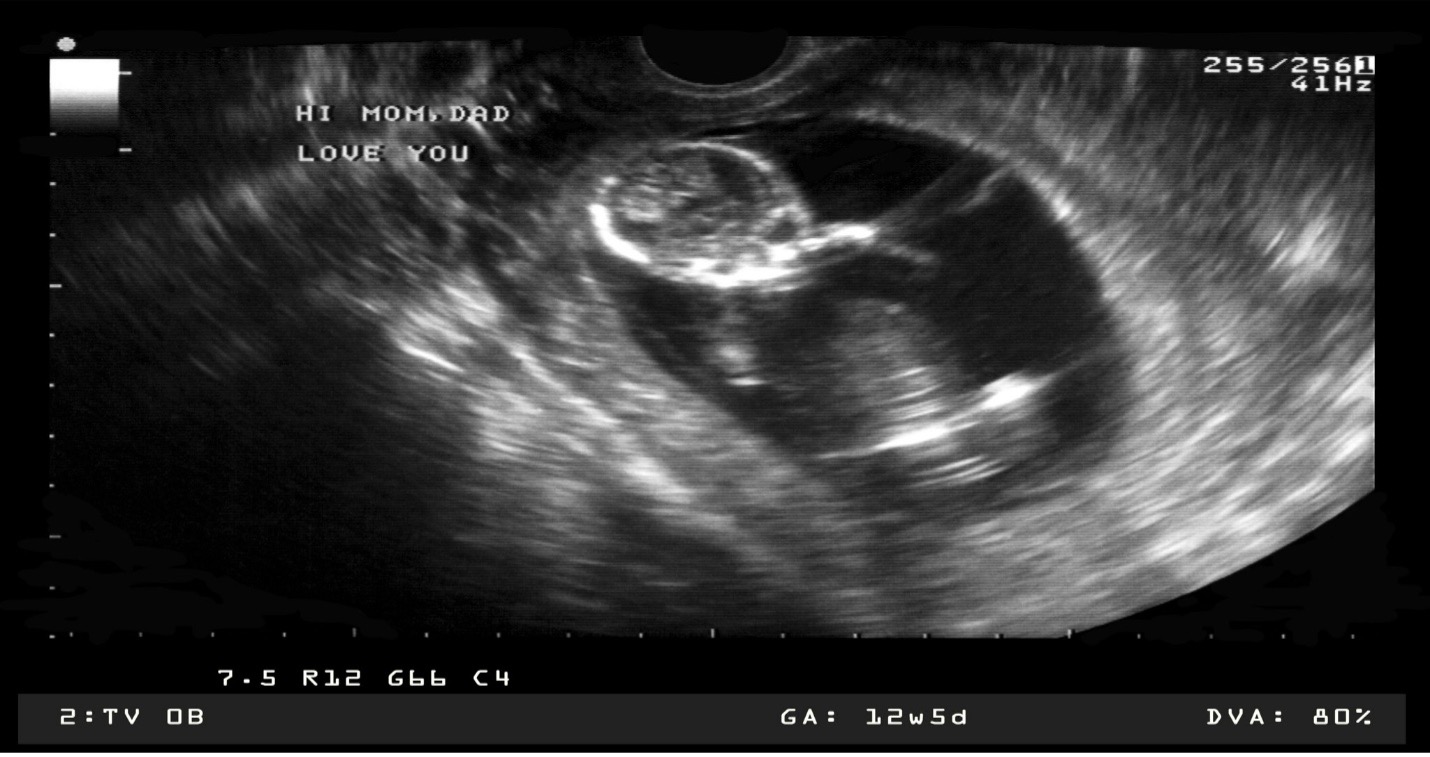
By 12 weeks:
- Vocal cords are complete
- The baby practices breathing motions
- Intestines move into the abdomen
- The baby urinates and responds to stimuli
At this point, the child needs only nutrition and time to grow.
Growth and Movement: Months 3–6 (Second Trimester)
Months 3–4
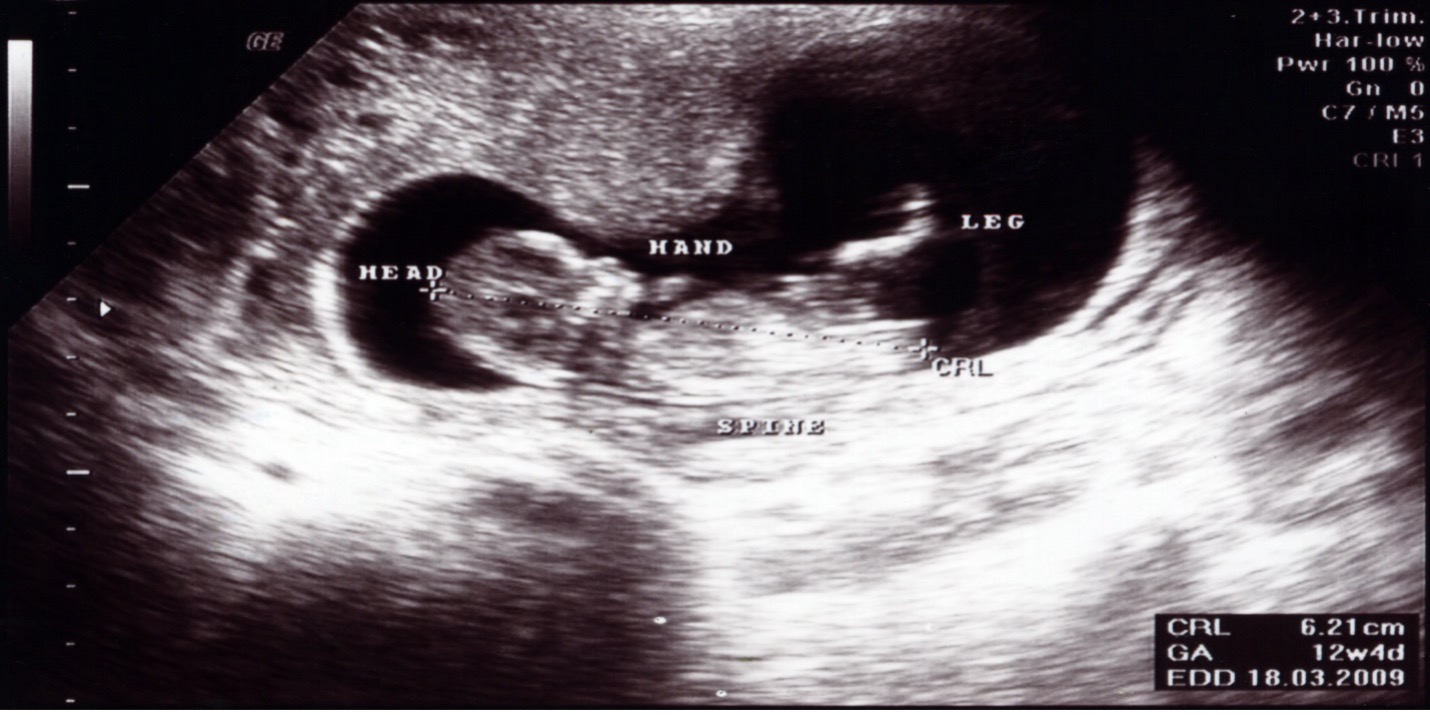
- The baby measures several inches long and weighs about an ounce
- Sex differentiation becomes apparent
- Muscles lengthen and strengthen
- Mothers often feel early movement (“fluttering”)
By 15 weeks:
- Taste buds are present
- The baby may react to flavors in the mother’s diet
- Thumb-sucking continues
By the end of the fourth month:
- Hearing develops
- The baby can hear the mother’s voice and heartbeat
- The umbilical cord circulates massive volumes of nutrients every day
Months 5–6
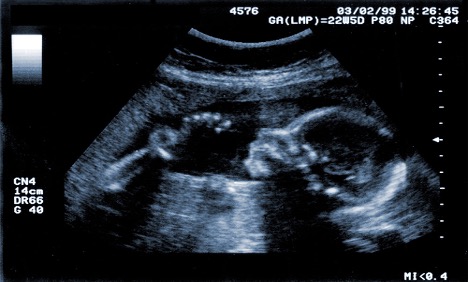
- The baby grows to about 12 inches
- Movement is strong and consistent
- The baby reacts to loud sounds
- Oil and sweat glands develop
- Vernix protects the baby’s skin
By six months:
- With proper medical care, a baby born at this stage can survive
Preparation for Birth: Months 7–9 (Third Trimester)
Months 7–8
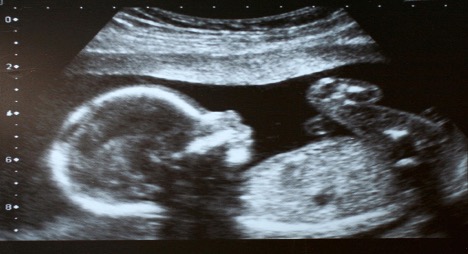
- Bones begin to harden
- The baby gains weight rapidly
- Vision, hearing, taste, and touch are functioning
- The baby recognizes the mother’s voice
- Antibodies are built to prepare for life outside the womb
Amniotic fluid is fully replaced every few hours as the baby swallows and processes it daily.
Birth
Around 270 days after conception, a baby is ready for birth.
Shortly before delivery:
- The baby moves into a head-down position (“lightening”)
- Pressure shifts in the mother’s abdomen
At birth:
- The baby takes his or her first breath
- The heart and circulatory system adapt instantly
- The umbilical cord ceases functioning
- Independent life outside the womb begins
Educational Videos & Visual Resources
Ultrasound & Development Videos
Real Images from Inside the Womb
Note: These resources use ultrasound and endoscopic imagery to show real human development, not illustrations.
Scientific Integrity Statement
The progression of human development described here reflects well-established scientific knowledge. While individual studies may refine details, the fundamental reality remains unchanged:
Human life develops continuously from conception to birth.
More About TRL
Get Involved
Newsletter
Volunteer
Upcoming Events